Organic
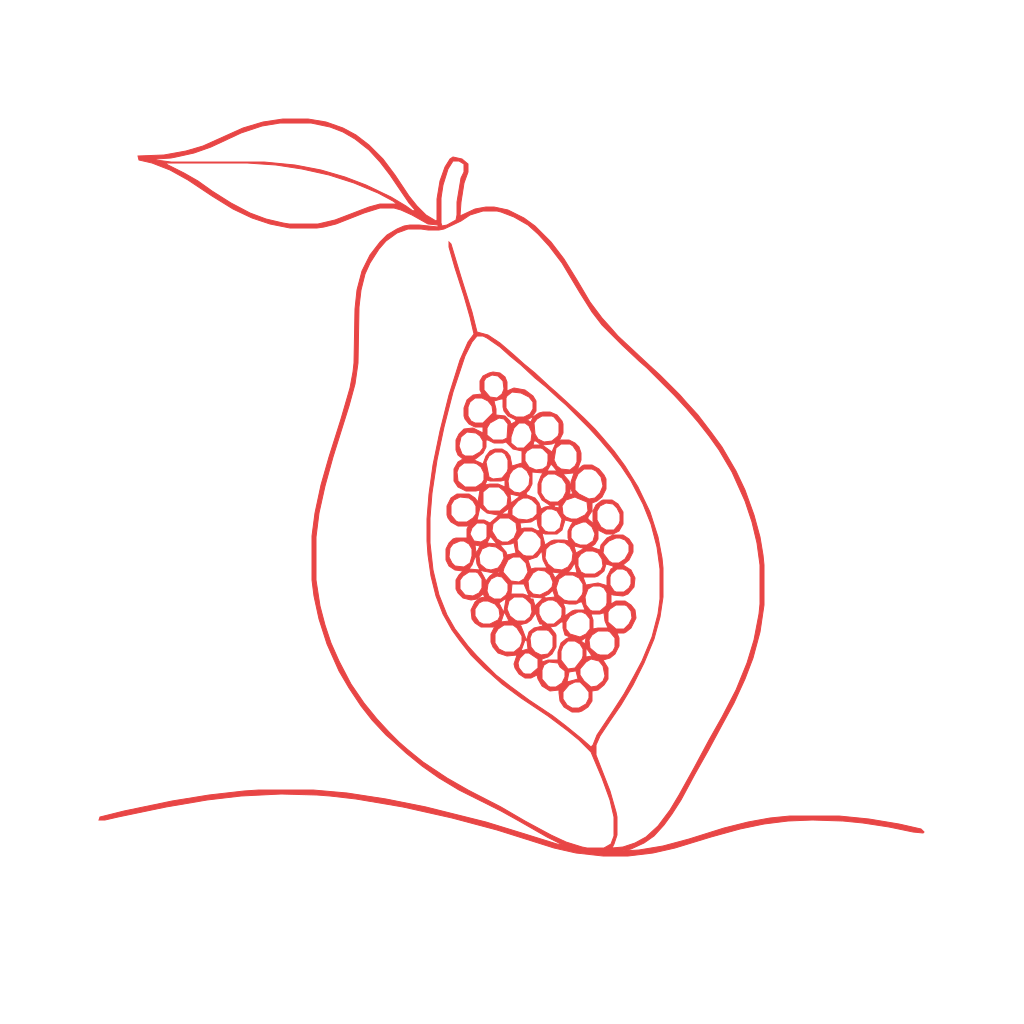
Papaya
"Unleashing a burst of tropical sweetness"
A lush tropical fruit, papaya is a juicy and sweet treat bursting with vitamins and minerals, its vibrant orange color a testament to its exceptional nutritional value.
Also known as
Pawpaw, kechala, papaye
Botanical name
Carica papaya
Product Details
PLU Code
94394
5-digit code
Category
Fruits
Papaya/Pawpaw › Large
Origin
Native to Central and South America, now grown worldwide in tropical climates.
Temperature
7 to 13°C (45 to 55°F)
Shelf Life
Not established
Status
Approved
About Papaya
Papaya is a fast growing fruit, taking around 6-10 months to mature, it's grown in many tropical countries and can be eaten ripe or green.
Nutrition Information
Papaya is a rich source of nutrients, providing various essential vitamins and minerals. Per 100 grams of edible papaya, it contains approximately 39 calories, 0.61 grams of protein, 9.81 grams of carbohydrates, 0.26 grams of fat, and 1.8 grams of dietary fiber. Papaya also offers significant amounts of vitamins A and C, with 25-30 micrograms of vitamin A and around 60-70 milligrams of vitamin C per 100 grams. Minerals such as potassium, with around 542 milligrams per 100 grams, and other essential nutrients like folate and vitamin K are also present.
Storage & Handling
Commercial storage guidance for papaya, general (not fully ripe fruit). Storage life depends on initial quality, maturity, cultivar and handling; this is not a household shelf-life guarantee.
Temperature
7 to 13°C (45 to 55°F)
Humidity
90-95%
Packaging
Ventilated bags or containers
Storage Notes: At the cool end of the range storage is limited by chilling injury (skin scald, hard lumps in the pulp, water-soaked flesh) and at the warm end fruit ripen slowly; chilling susceptibility falls as fruit ripen. Produces significant ethylene: store apart from ethylene-sensitive produce. Source: USDA Agriculture Handbook 66 (rev. 2016).
Source: USDA Agriculture Handbook 66 (rev. 2016), pp. 447-452.
Applies to: papaya, general (not fully ripe fruit).
Not verified by this source: packaging (retained from earlier enrichment).
Search PLU Codes
Tags
Details
PLU Reference
4-digit codes: Conventional produce
93000-94999: Organic form of an assigned 3000-4999 code
83000 series: Future conventional assignments
84000 series: Corresponding future organic assignments
Prefix 8: Has no standalone GMO significance
Similar Products
Other papaya/pawpaw varieties you might be interested in
Need More Information?
Access our comprehensive database with AI-powered features for detailed produce information, personalized recommendations, and more.