Organic
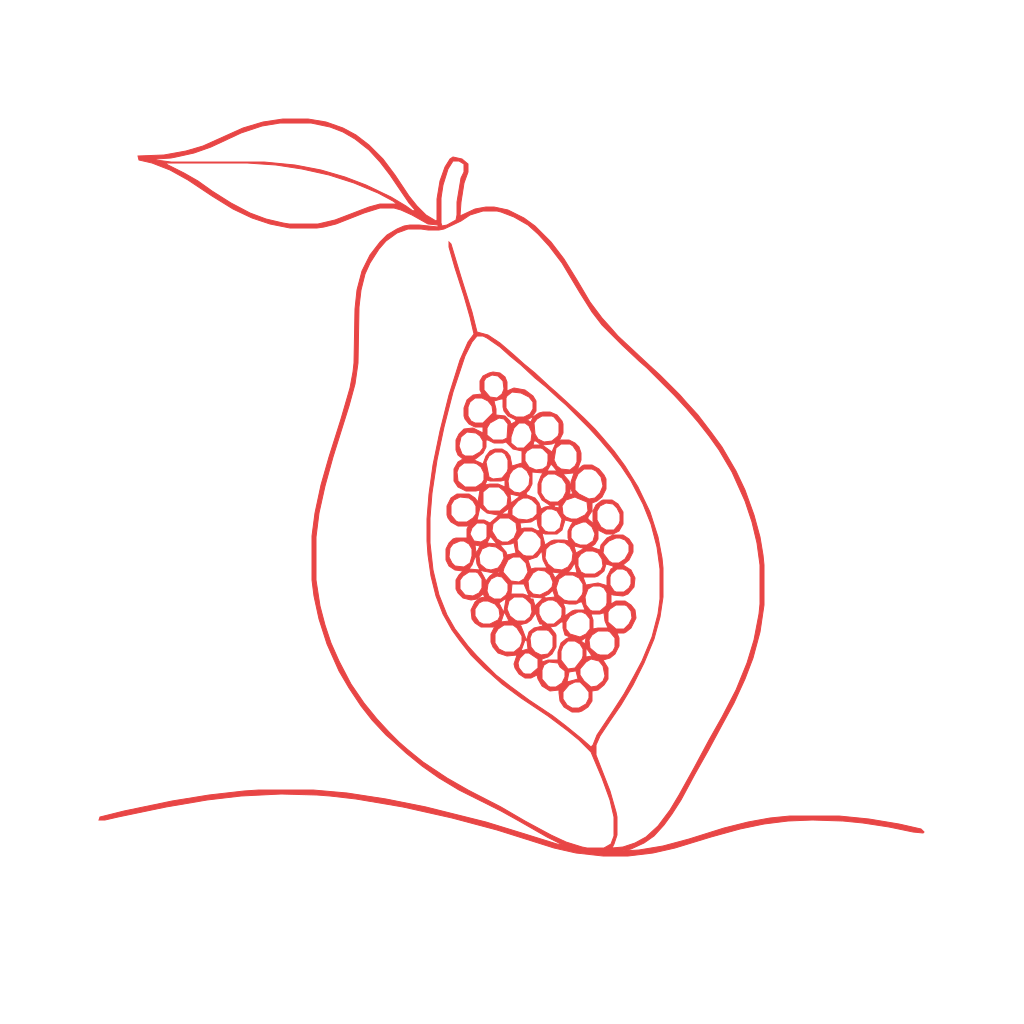
Papaya
"Tropical nutrition in every bite"
Juicy and rich in vitamins, the papaya is a versatile, tropical fruit that adds a sweet twist to cooking and fresh eating
Also known as
Mexican papaya, pawpaw
Botanical name
Carica papaya
Product Details
PLU Code
94395
5-digit code
Category
Fruits
Papaya/Pawpaw › All Sizes
Origin
Native to Central America and southern Mexico, now cultivated in many tropical parts of the world
Temperature
7 to 13°C (45 to 55°F)
Shelf Life
Not established
Status
Approved
About Papaya
Papaya, also known as Carica papaya, is rich in vitamins A and C. The Mexican variety is often used for cooking and making salsa, guacamole, and other sauces. It has soft, buttery flesh with a musky, slightly sweet flavor, and smooth green or yellow skin, depending on the ripeness and variety
Nutrition Information
One medium-sized papaya typically weighs around 500-600 grams and has approximately 32 calories per 100 grams. The nutritional facts are as follows for 100 grams of papaya:
Energy 32 kcal
Protein 0.6 grams
Fat 0.1 grams
Carbohydrates 8 grams
Dietary fiber 1.7 grams
Sugar 6 grams
Sodium 8 milligrams
Potassium 555 milligrams
Vitamin A 47 micrograms
Folate 38 micrograms
Vitamin C 62 milligrams
Vitamin E 0.3 milligrams.
Storage & Handling
Commercial storage guidance for papaya, general (not fully ripe fruit). Storage life depends on initial quality, maturity, cultivar and handling; this is not a household shelf-life guarantee.
Temperature
7 to 13°C (45 to 55°F)
Humidity
90-95%
Packaging
Ventilated containers
Storage Notes: At the cool end of the range storage is limited by chilling injury (skin scald, hard lumps in the pulp, water-soaked flesh) and at the warm end fruit ripen slowly; chilling susceptibility falls as fruit ripen. Produces significant ethylene: store apart from ethylene-sensitive produce. Source: USDA Agriculture Handbook 66 (rev. 2016).
Source: USDA Agriculture Handbook 66 (rev. 2016), pp. 447-452.
Applies to: papaya, general (not fully ripe fruit).
Not verified by this source: packaging (retained from earlier enrichment).
Search PLU Codes
Tags
Details
PLU Reference
4-digit codes: Conventional produce
93000-94999: Organic form of an assigned 3000-4999 code
83000 series: Future conventional assignments
84000 series: Corresponding future organic assignments
Prefix 8: Has no standalone GMO significance
Similar Products
Other papaya/pawpaw varieties you might be interested in
Need More Information?
Access our comprehensive database with AI-powered features for detailed produce information, personalized recommendations, and more.