Organic
Apricot
"The golden fruit of sunshine"
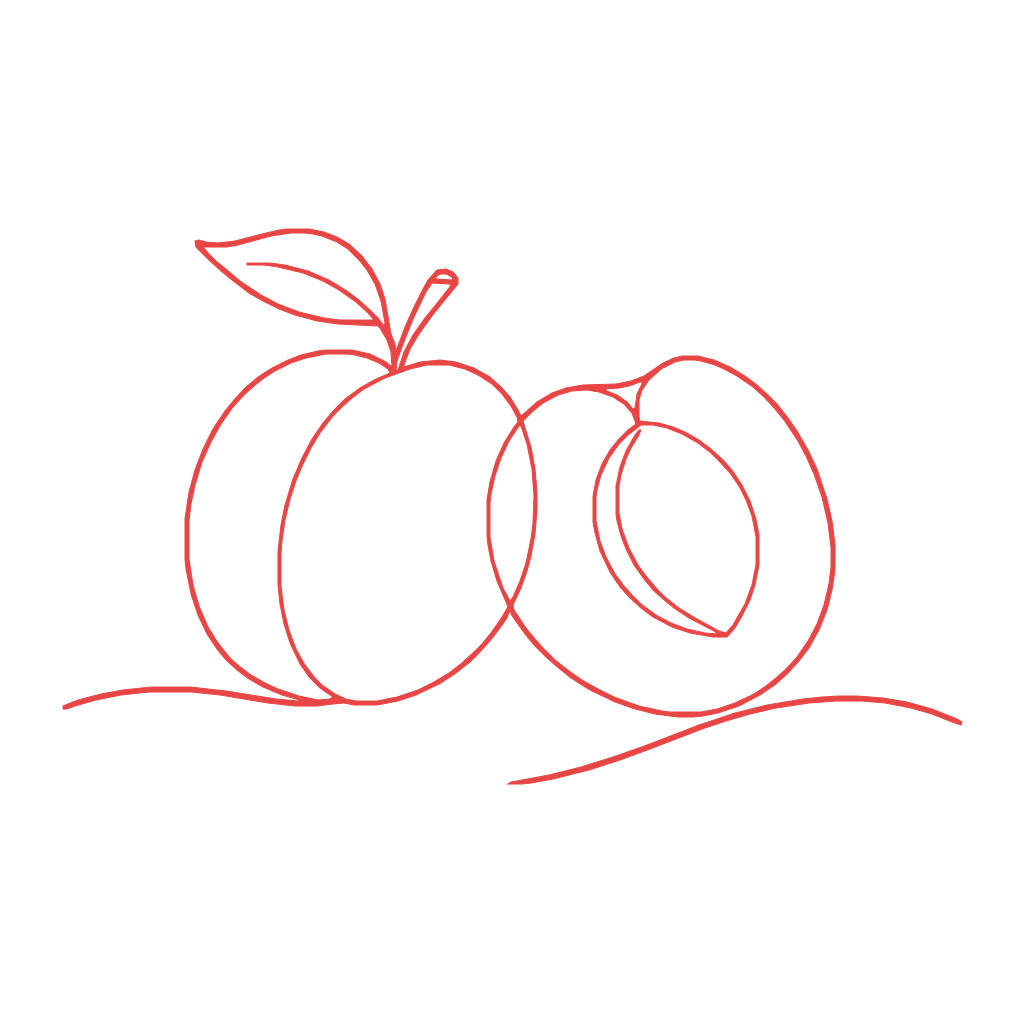
Apricots are juicy, sweet, and tender stone fruits known for their vibrant orange color, velvety skin, and succulent flesh.
Also known as
Prunus armeniaca, Armenian plum
Botanical name
Prunus armeniaca
Product Details
PLU Code
93302
5-digit code
Category
Fruits
Apricots › Large
Origin
Central Asia, Western Asia, and China, now cultivated in temperate regions worldwide
Temperature
-0.5 to 0°C (31 to 32°F)
Shelf Life
1-4 weeks
Status
Approved
About Apricot
Apricots are rich in vitamins A and C, potassium, and fiber. They can be eaten fresh, used in jams, preserves, and baked goods.
Nutrition Information
Apricot is a nutrient-rich fruit with an excellent amount of vitamins, minerals, and antioxidants. The nutrition facts for 100 grams of apricot are as follows:
Energy: 48 kilocalories
Carbohydrates: 11 grams
Fiber: 2 grams
Protein: 1.4 grams
Fat: 0.4 grams
It is a good source of vitamin A, potassium, and beta-carotene. The apricot also contains other essential vitamins and minerals like magnesium, calcium, iron, and vitamin C.
Vitamin A: 1090 micrograms
Vitamin C: 10 milligrams
Potassium: 427 milligrams
Beta-carotene: 109 micrograms
Magnesium: 10 milligrams
Calcium: 13 milligrams
Iron: 0.8 milligrams
Storage & Handling
Commercial storage guidance for fresh apricots. Storage life depends on initial quality, maturity, cultivar and handling; this is not a household shelf-life guarantee.
Temperature
-0.5 to 0°C (31 to 32°F)
Humidity
90-95%
Packaging
Ventilated crates or boxes with airtight liners to maintain humidity
Shelf Life
1-4 weeks
Storage Notes: Decay, mainly brown rot and rhizopus rot, is the greatest hazard in handling apricots, so cool them quickly and hold them as cold as possible. Produces significant ethylene: store apart from ethylene-sensitive produce. Highest freezing point: -1°C. Source: USDA Agriculture Handbook 66 (rev. 2016).
Source: USDA Agriculture Handbook 66 (rev. 2016), pp. 195-197.
Applies to: fresh apricots.
Not verified by this source: packaging (retained from earlier enrichment).
Search PLU Codes
Tags
Details
PLU Reference
4-digit codes: Conventional produce
93000-94999: Organic form of an assigned 3000-4999 code
83000 series: Future conventional assignments
84000 series: Corresponding future organic assignments
Prefix 8: Has no standalone GMO significance
Similar Products
Other apricots varieties you might be interested in
Need More Information?
Access our comprehensive database with AI-powered features for detailed produce information, personalized recommendations, and more.