Organic
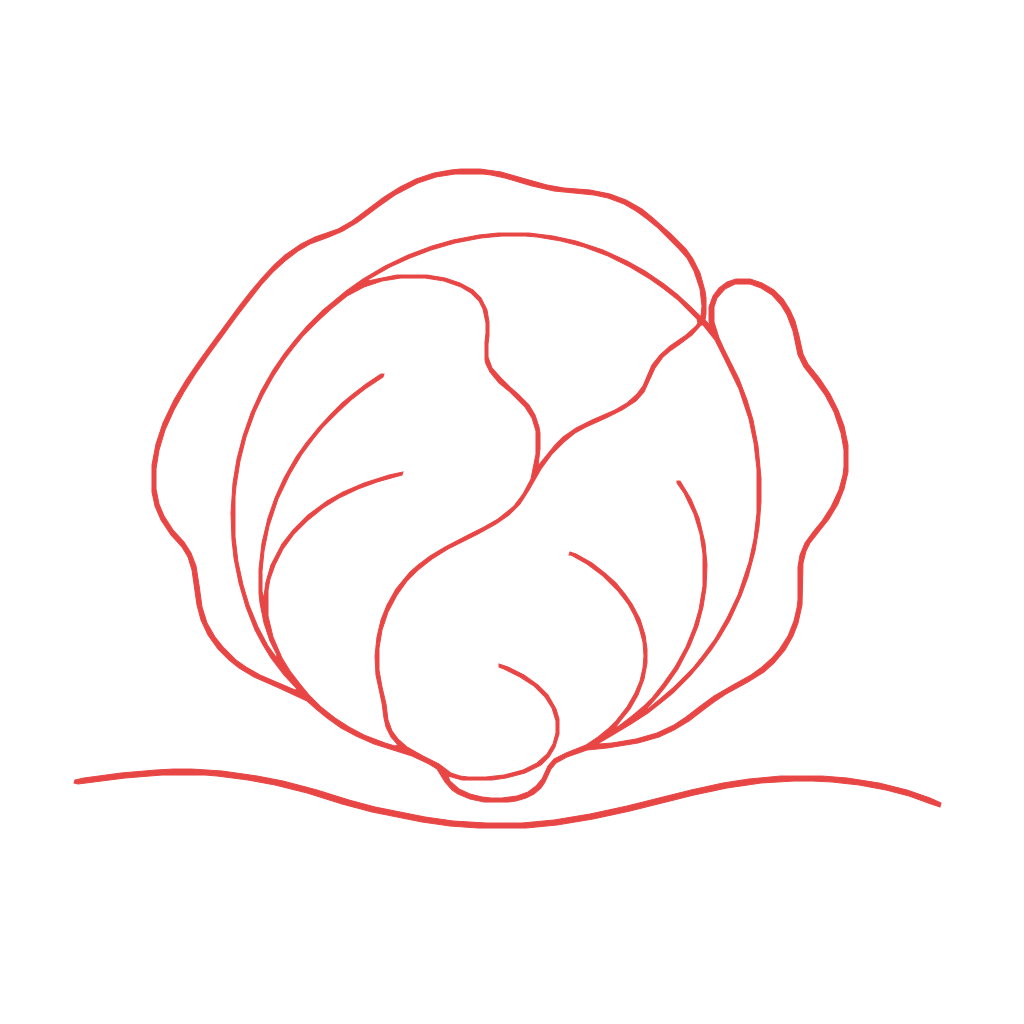
Summer Cabbage
"A refreshing summer staple, packed with vitamins and nutrients."
A crisp and refreshing summer vegetable, Summer Cabbage is a delicious and nutritious addition to salads, slaws, and other dishes.
Also known as
Green Cabbage, Cole, Kraut
Botanical name
Brassica oleracea
Product Details
PLU Code
93397
5-digit code
Category
Vegetables
Cabbage › All Sizes
Origin
Believed to have originated in Europe, now grown worldwide.
Temperature
0°C (32°F)
Shelf Life
Not established
Status
Approved
About Summer Cabbage
Summer Cabbage is typically harvested in the summer months and is a cool-season crop, preferring the cooler temperatures of spring and fall.
Nutrition Information
Summer cabbage is a nutrient-rich food, high in vitamins and minerals and low in calories, here are some of its key nutrition facts per 100 grams of raw summer cabbage:
Energy is 25 kcal, Carbohydrates 5.5 grams, Fiber 2.5 grams, Protein 1.3 grams, Fat 0.2 grams,
Vitamin C is 51 milligrams, Vitamin K is 76 micrograms, Folate 43 micrograms, Vitamin B6 0.15 milligrams,
Manganese is 0.16 milligrams, Potassium 170 milligrams, Phosphorus 22 milligrams, Magnesium 12 milligrams,
Calcium 40 milligrams, Sodium 20 milligrams, Zinc 0.27 milligrams, Iron 0.47 milligrams
Storage & Handling
Commercial storage guidance for fresh head cabbage (red, green, oxheart and savoy types; HB66 gives one set of conditions). Storage life depends on initial quality, maturity, cultivar and handling; this is not a household shelf-life guarantee.
Temperature
0°C (32°F)
Humidity
98-100%
Packaging
Breathable materials, possibly non-waxed boxes or bins, to prevent moisture accumulation. Pre-cooling before storage is necessary.
Storage Notes: Store just above freezing at very high humidity with loose leaves trimmed for air circulation, keep away from ethylene, and do not go colder than recommended because it can freeze-damage the outer leaves. Sensitive to ethylene: keep away from ethylene-producing fruit. Highest freezing point: -0.83°C. Source: USDA Agriculture Handbook 66 (rev. 2016).
Source: USDA Agriculture Handbook 66 (rev. 2016), pp. 255-260.
Applies to: fresh head cabbage (red, green, oxheart and savoy types; HB66 gives one set of conditions).
Not verified by this source: packaging (retained from earlier enrichment).
Search PLU Codes
Tags
Details
PLU Reference
4-digit codes: Conventional produce
93000-94999: Organic form of an assigned 3000-4999 code
83000 series: Future conventional assignments
84000 series: Corresponding future organic assignments
Prefix 8: Has no standalone GMO significance
Similar Products
Other cabbage varieties you might be interested in
Need More Information?
Access our comprehensive database with AI-powered features for detailed produce information, personalized recommendations, and more.