Organic
Sweet Mama Squash
"A sweet and versatile squash delighting taste buds and eyes alike."
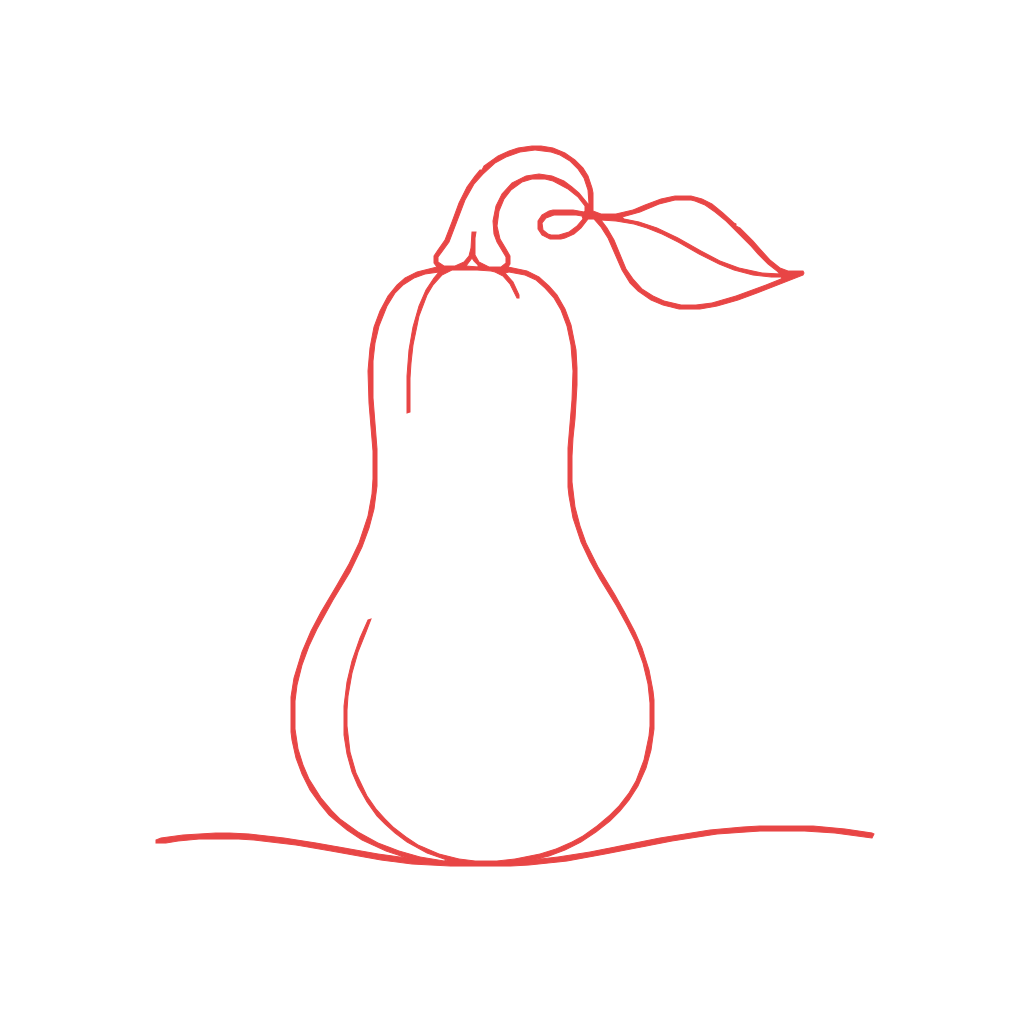
A delicious cross between a sweet dumpling squash and a hubbard squash, characterized by its sweet, nutty flavor and fine texture, making it perfect for roasting or baking. Its teardrop shape and elegant appearance also make it a popular choice for decorative purposes.
Also known as
Sweet Mama, Golden Delicious Squash, Teardrop Squash
Botanical name
Cucurbita pepo x Cucurbita maxima
Product Details
PLU Code
94779
5-digit code
Category
Vegetables
Squash › All Sizes
Origin
North America, Australia and Europe are known for cultivating Sweet Mama Squashes.
Temperature
10 to 13°C (50 to 55°F)
Shelf Life
2-3 months
Status
Approved
About Sweet Mama Squash
Sweet Mama Squash belongs to the Cucurbitaceae family. It typically weighs 1-3 kg (2.2-6.6 lbs) and is known for its exceptional shelf life, lasting up to 3-4 months when stored in a cool, dry place.
Nutrition Information
The Sweet Mama Squash is low in calories and rich in nutrients. Here are the nutrition facts, based on 100 grams of cooked squash:
Energy: 36 kcal
Carbohydrates: 8.3 grams
Dietary Fiber: 1.5 grams
Sugar: 2.5 grams
Protein: 1 gram
Fat: 0.1 grams
Sodium: 2 milligrams
Potassium: 368 milligrams
Vitamin A: 196 μg
Vitamin C: 18 milligrams
Vitamin K: 4.8 μg
Folate: 18 μg
Magnesium: 23 milligrams
Manganese: 0.3 milligrams
Storage & Handling
Commercial storage guidance for pumpkins and winter squashes, most cultivars (including tropical pumpkin/calabaza). Storage life depends on initial quality, maturity, cultivar and handling; this is not a household shelf-life guarantee.
Temperature
10 to 13°C (50 to 55°F)
Humidity
50-70%
Packaging
Breathable bags or containers to maintain humidity, must be clean and dry to prevent mold
Shelf Life
2-3 months
Storage Notes: Keep humidity moderate and the fruit surface dry with good air circulation, because higher humidity promotes decay while lower humidity causes weight loss and texture deterioration. Source: USDA Agriculture Handbook 66 (rev. 2016).
Source: USDA Agriculture Handbook 66 (rev. 2016), pp. 514-517.
Applies to: pumpkins and winter squashes, most cultivars (including tropical pumpkin/calabaza).
Not verified by this source: packaging (retained from earlier enrichment).
Search PLU Codes
Tags
Details
PLU Reference
4-digit codes: Conventional produce
93000-94999: Organic form of an assigned 3000-4999 code
83000 series: Future conventional assignments
84000 series: Corresponding future organic assignments
Prefix 8: Has no standalone GMO significance
Similar Products
Other squash varieties you might be interested in
Need More Information?
Access our comprehensive database with AI-powered features for detailed produce information, personalized recommendations, and more.